A Miserable Pile of Secrets
This morning I was listening to Boonta Vista, an Australian comedy podcast, and they were discussing a part of the brain called the Corpus Callosum. This is a bundle of neurons which connects the left and right halves of the brain and is responsible for certain functions which need to be coordinated across those hemispheres. They were talking about historical experiments, such as treatment of epilepsy, where this bundle of neurons could be severed and many brain functions could go on as normal. The comment from the podcast was, "it seems weird for the brain to be a bunch of connections that can be snipped rather than sort of a big container of juice."
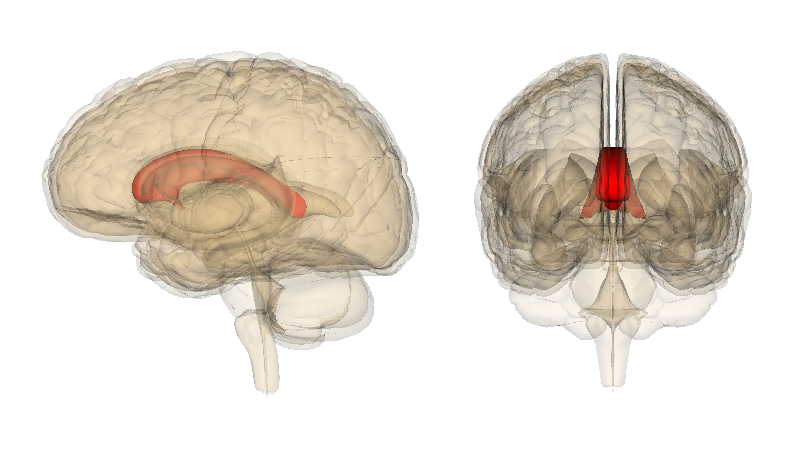
Now, as a tabletop RPG sicko, this immediately set me to thinking. I'm going to review a couple of concepts and then see what we can gamify.
Buckets of Juice
Last year, I wrote about Meat Points, my generic conception of vitality as a pacing mechanism in roleplaying games. One thing to take away from this is how different games tackle the idea of your character spilling "juice" from their "container". Inheritors use the granularity of an HP system while rejectors track the accumulation of wounds and stress that leave your adventurer incapable of taking another step.
One of those rejectors is His Majesty the Worm, a game I talk about every other blog post. For now, let's revisit the Bonds system. Bonds are the relationships that player characters have between one another; each character has one Bond per other player in the party. The Bond consists of a type (ally, lover, rival, enemy, etc) which provides a mechanical trigger and a target (the reciprocating PC). This serves two things in play. First, Bonds facilitate role play by giving a structured and incentivized relationship for players to lean into. Second, Bonds provide the mechanism for characters recovering from wounds and illnesses through play. This creates the emergent phenomenon that the only way to survive dungeon exploration is to play out your relationships. Extremely powerful stuff!
Relationships Facilitate Play
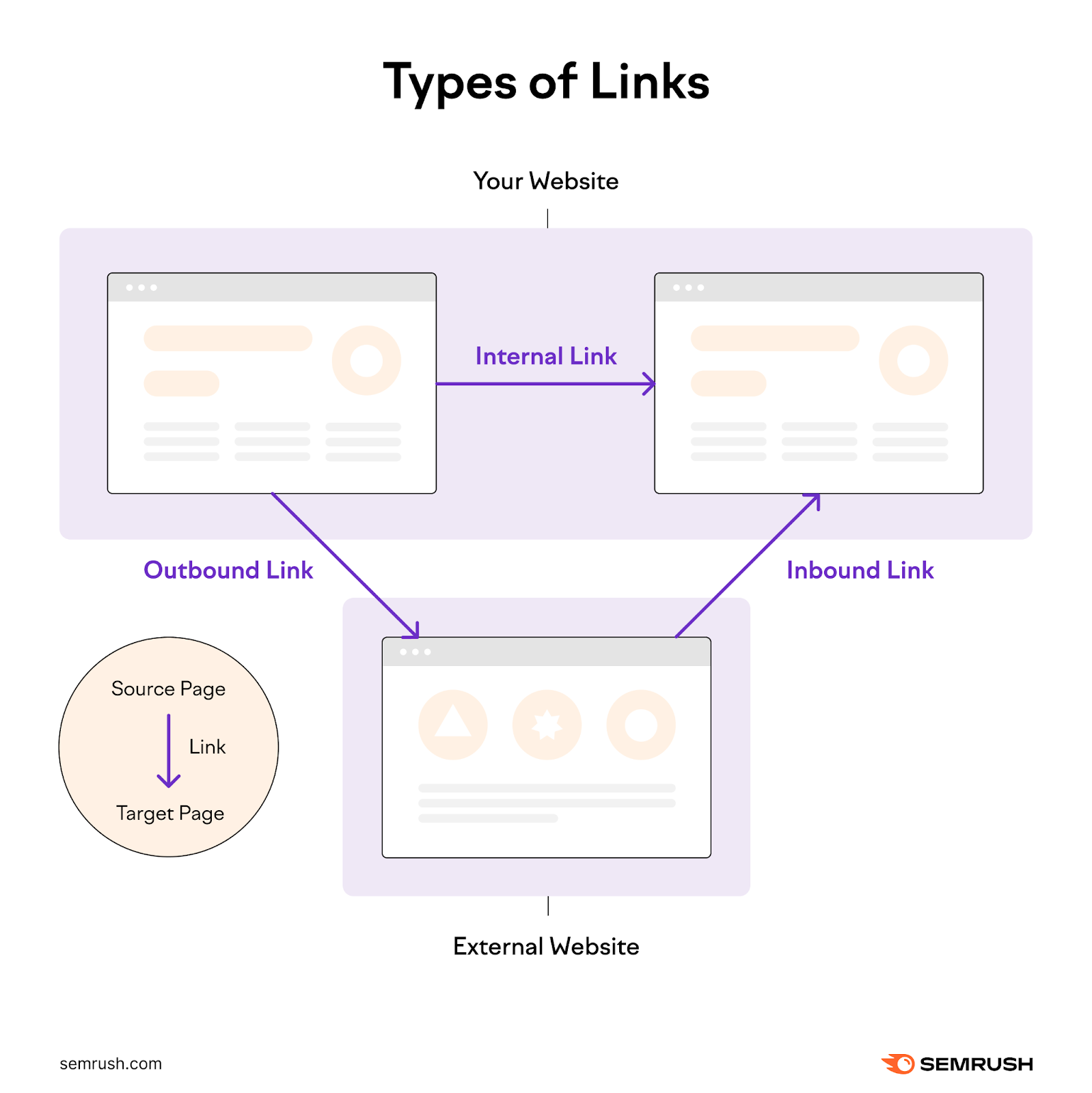
Let's take a step back and look at, abstractly, what we have here. We have a character trait which is shared across multiple characters - it is a "typed" relationship. The type and the target encode both diegetic and game state information that is intuitive and fun to play with, i.e. "Tenebrae is my rival, so when she succeeds at something challenging it steels my resolve to try even harder". It inherently makes the party sticky by making it a network of simple relationships from which play emerges. So what design space does this open up?
Relationships Encode Information
The last thought that informs today's experiment comes from my friend Noel at Viridian Void. Last week, he wrote Bottom-up organization for RPG notes as a summary of how to apply Zettelkasten, or Slip-Box, to RPG notetaking. The basic idea is that whenever you take a note, you must create a connection or relationship to another note you have already taken. The two headings from his post that stick out to me are:
- Linking Notes is Generative. The existence of a relationship encodes, at a minimum, two important data. One, is that the relationship itself exists, and two, that the relationship represents connective tissue that may not have been obvious at first. You see this in action with Bonds in HMTW! When you create a character and then have to explain that this character is Louisa's henchman, you have generated an extant history between them.
- The obvious things should be individual notes, and they should be atomic. What I am building toward is how to create complex, emergent play behaviors from simple concepts.
So, Noel taught us about how a GM should use a slip-box to take notes on a campaign. What I am here to ask is, why should we limit the slip-box to the GM? What if player characters are a slip-box? What if the party itself is a network of facts and relationships?
Characters As Relationship Networks
To briefly return to His Majesty the Worm, a large part of individual characterization is a PC's three Motifs. Motifs represent a character's life before they became adventurers and provide mechanical benefits (knowledge, expertise) in play. Daggerheart has a similar characterization called Experiences which also mechanize your backstory/background in a fairly lightweight way.
As an initial test case for our Charakterzettelkasten, let's imagine a system which, like HMTW, allows players to start creating a character by selecting three Motifs. Motifs are pretty atomic, they are usually an adjective and a noun like "reluctant grave-robber" or "greedy dancer". But let's impose a rule that, for each Motif that you create, you have to link it to another player's Motif in some way. For our example of the reluctant grave-robber, Alice, she must link to Bob's greedy dancer in some way. What is that relationship? I imagine that Alice is stealing from tombs in order to finance Bob's dancing! This generates a sense of dependency and history between the two characters that didn't exist until you imposed the relational rule.
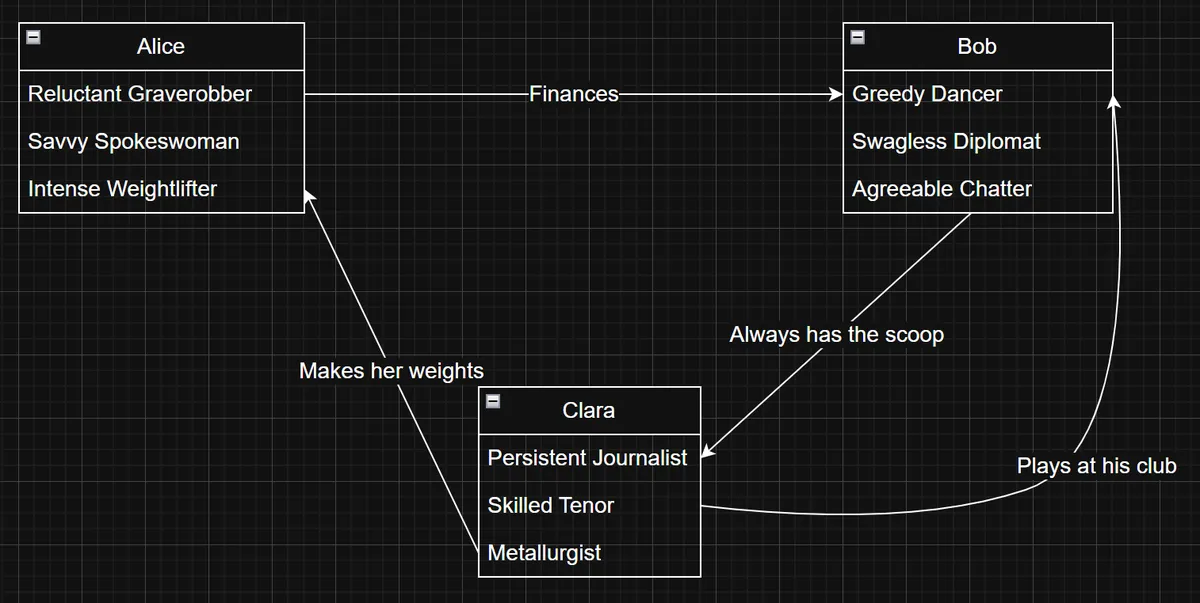
What does this mechanically imply for a game? I see a vision of this which more deeply entangles inter-character relationships with character identity. With a small number of traits that must have outgoing links, you can very quickly have enough data encoded to tell an entire story. The next place that my noggin takes me is imposing conditional attributes based on incoming and outgoing relationships. If a scholar has a friendship with a martial artist, maybe that provides the scholar with better tools for Discipline and it provides the martial artist with new skills at Research.
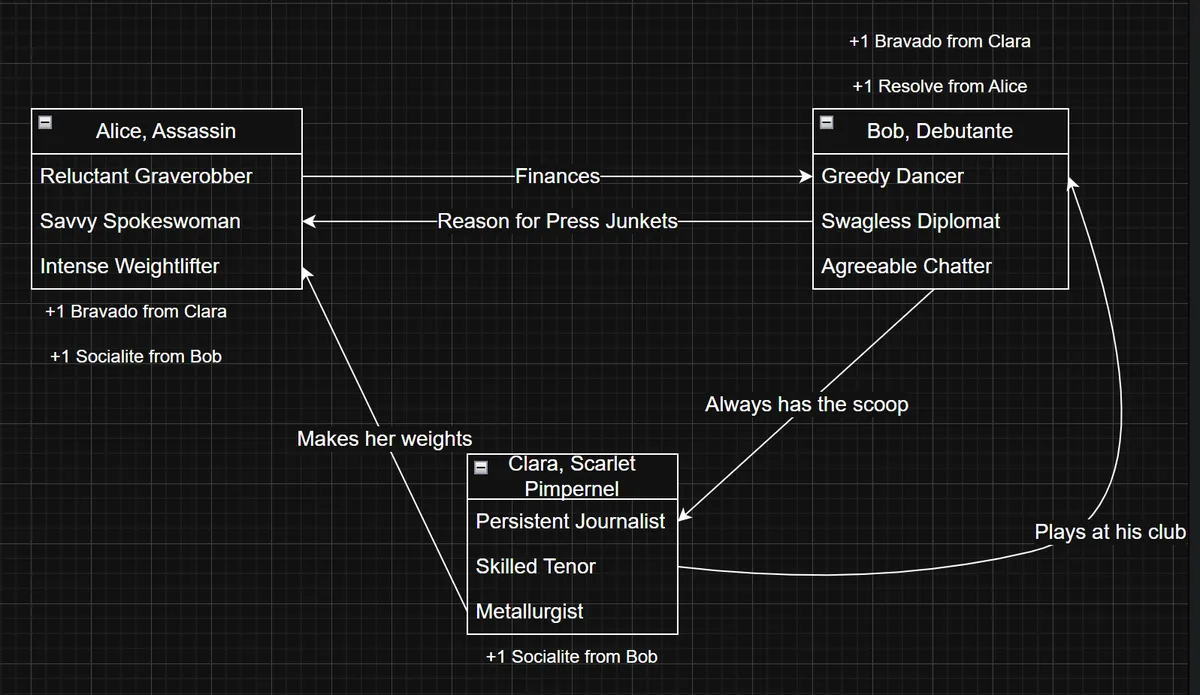
But the real meat here, to return to our model of the brain as a network of connections and not a container of juice, is that these connections can sever and change over time, which necessarily changes our characters. In His Majesty the Worm, players can take an incoming wound to a "condition", their armor, or to a talent. If the wound is taken to a talent, then it can't be used again until that character can rest and recover (using their bonds). In our Charakterzettelkasten, what happens if a character's traits are harmed? Would you prefer to temporarily lose your renown as a scholar and thus lose all incoming and outgoing relationships? What if you could just sever a connection between you and another character instead? I think this provides a (hopefully) novel way to represent messy social games that don't necessarily rely on massive violence.
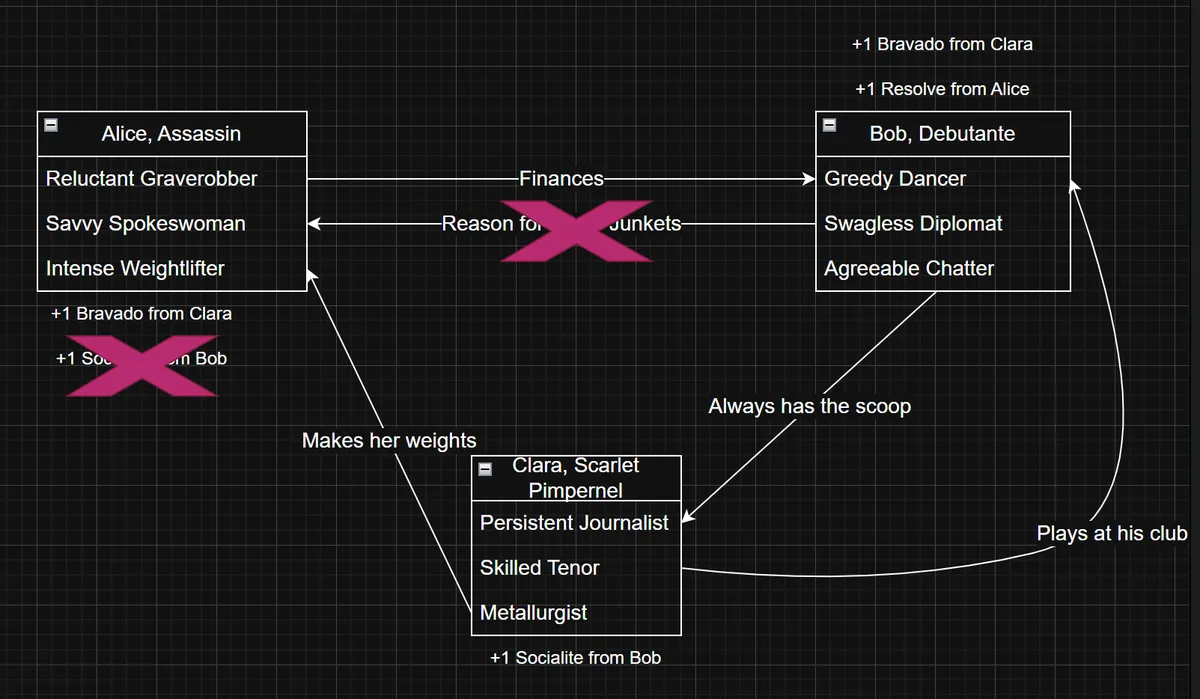 In order to save face in a tense social situation, Bob fires Alice as his spokeswoman. Alice loses this public social connection and must figure out how to proceed.
Obviously here we are capturing relationships between characters and their traits, but if we rewind to Noel's post, the Zettelkasten is a strategy for any notetaking and the relationships of facts. In my post about narrative as a historiographic process, I discussed the events at the table as the creation of facts. Would it be reasonable for players to encode their notetaking as part of their character sheets by recording their relationship to the events that are occurring, the facts that are being created? I am less certain what that would mechanically imply but I think it's an interesting design space!
This idea is also coming on the heels of my deep review of Vincent Baker's PBTA series, so I'm sure I'm reinventing something that has already been thoroughly explored in the storygame space! I know that, for example, Thirsty Sword Lesbians uses Strings as a metacurrency to represent favors and leverage over other characters, but I see these relationships as necessary parts of the character rather than a currency to spend. I've seen somewhat similar work done with "Mental Inventory", but a mental inventory is still more of a container of juice than it is a network of connections. It's cool when a horrifying visage makes you forget the memory of your mother, but how much cooler would it be for that to also cause problems for your siblings?
As far as how to physically implement this, Toucant Sam's Prop Master RPG does some very clever things with post-it-notes-as-character sheets - I can see a world where a character sheet is really just a stack of index cards with holes punched in them and literal string tied between characters, but that could also be a tremendous pain in the ass.
In the immediate term, I'd like to explore this as a tool for building out the playbooks for Ballroom Blitz because I think those will focus heavily on exchanging relationships for favors and vice versa. I'm also interested in bringing it to the basebuilding aspects of the honeybee game; I haven't forgotten it, my playtests just keep falling through! I think it would be fun for cells of the hive to influence each other rather than a dreary simulation of actually building a hive.
Let me know what you think!